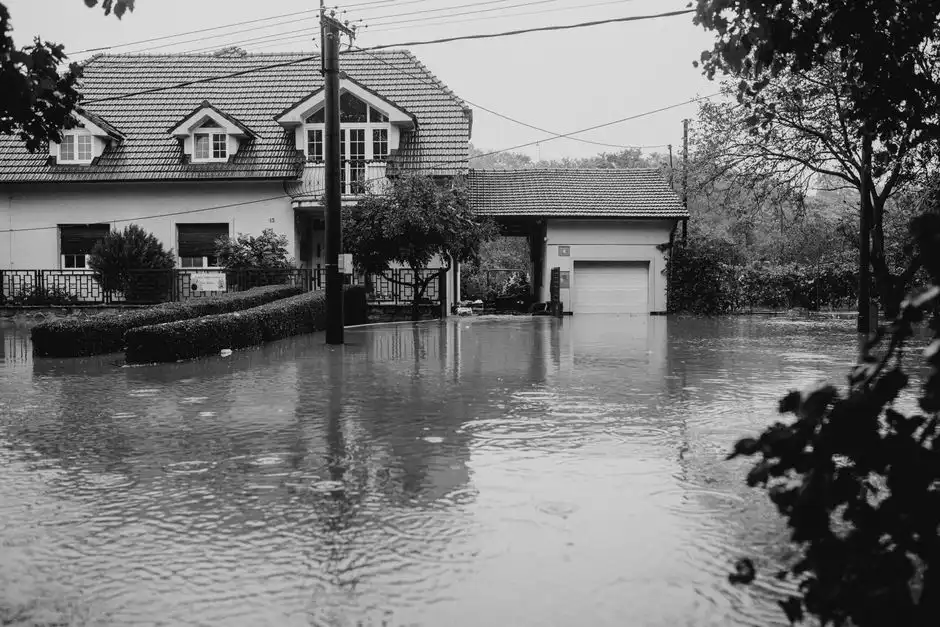
Your basement is flooding because water is getting in faster than it can get out - and in Kinston that almost always means one of five things: a failed sump pump, a cracked or unsealed foundation, a backed-up sewer line, a burst supply or drain pipe, or surface water running toward the house instead of away from it. Basement flooding in Kinston NC is a plumbing and drainage problem before it is a construction problem, which is why we diagnose the water source first and the repair second. Below we walk through each cause, the Kinston-specific conditions that trigger them, what a fix costs in 2026, and how to stop the next flood before it starts.
The Five Things That Flood a Kinston Basement
Basement flooding causes Kinston NC homeowners deal with fall into five buckets, and the fix for each one is completely different. Guessing wrong wastes money. A sump pump that quit during a storm needs a pump and a check valve. A sewer backup needs the line cleared and the backwater valve serviced. A foundation crack needs sealing from the outside. Diagnosing which one you have takes about twenty minutes with the right tools.
Here is the short version:
- Sump pump failure - power loss, stuck float, burned-out motor, or a discharge line frozen or clogged.
- Foundation and wall seepage - hydrostatic pressure pushing groundwater through cracks, mortar joints, and cove seams.
- Sewer line backup - city main surcharge or a root-blocked lateral pushing wastewater up through the floor drain.
- Failed plumbing - burst pipe, failed water heater, or a supply line letting go behind a finished wall.
- Poor drainage - clogged gutters, negative grading, or a downspout dumping water against the foundation.
Kinston NC basement water problems are worse than they were twenty years ago for one simple reason: we get more rain in shorter windows. A storm that drops two inches in an hour overwhelms a drainage system sized for a slow soaking rain. If your basement has flooded twice in the last three years, the pattern is the system, not the storm.
Why does my basement flood in Kinston NC after heavy rain?
Basements in Kinston flood after heavy rain because the ground around your foundation saturates, the water table rises, and hydrostatic pressure pushes water through every weak point in the wall and floor. That is the honest answer. It is not one leak - it is the whole soil column around your house filling up like a sponge, then finding the path of least resistance into your basement.
Kinston sits on the Neuse River basin with a water table that runs high in winter and early spring. From late October through March, we are often one long rain event away from saturated soil. When the ground cannot absorb any more, the water has to go somewhere, and the lowest point in the yard is usually the basement floor.
Three conditions make this worse in Kinston specifically:
- Older housing stock. A lot of homes in Downtown Kinston and the older neighborhoods were built before modern waterproofing was standard. Original drain tile is clay, and clay tile cracks and clogs.
- Flat lots. Much of the city sits on low-gradient ground, so water does not run off fast. It pools and soaks in.
- Combined storm and sanitary sewers in older blocks. When the city main surcharges during a storm, water can push back up your lateral and out the floor drain.
If your basement floods within an hour of the rain starting, you are looking at surface water or a sewer surcharge. If it floods six to twelve hours after the rain stops, that is groundwater rising through the floor or wall. That timing difference tells us where to look first.
Sump Pump Failure: The Number One Cause We See
A sump pump that fails during a storm is the single most common reason a Kinston basement floods, and it is also the most preventable. Pumps do not usually die in the middle of a dry week. They die at 2 a.m. during the heaviest rain of the month, which is exactly when you need them.
The failure modes we see most often:
- Power loss. A storm knocks out the grid, the pump stops, the pit fills, the basement floods. A battery backup pump solves this for $400 to $900 installed.
- Stuck float switch. Debris or a spider web in the pit jams the float. The pump never turns on.
- Frozen or clogged discharge line. If the line runs outside and the terminus is not pitched correctly, it freezes in January and the pump recirculates water back into the pit.
- Burned-out motor. A pump that runs constantly during a wet winter has a service life of about 7 to 10 years. Past that, it is on borrowed time.
We test sump pumps as part of any Water Leak Detection and Repair Kinston NC call, because a pump that runs but does not move water is worse than one that does not run at all - it gives you false confidence. Pour a five-gallon bucket into the pit and time how long the pump takes to clear it. If it takes more than 30 seconds, the impeller is worn or the discharge is partially blocked.
If your pump has failed and water is already in the basement, that is an emergency, not a weekend project. Our team handles 24/7 Emergency Plumbing Services Kinston NC and can get a working pump in the pit the same night.
Foundation Cracks, Window Wells, and Grading
Foundation seepage shows up as a wet line along the base of the wall, white chalky staining, or a musty smell that gets worse after rain. The water is not coming through the concrete - concrete is porous. It is coming through the cracks, the cove joint where the wall meets the floor, and the mortar joints in block foundations.
Three fixes, in order of cost:
- Exterior grading and downspout extensions. Cheapest fix, biggest impact. The ground should slope away from the foundation at roughly one inch per foot for the first six feet. Downspouts should discharge at least six feet from the wall.
- Crack injection. Polyurethane or epoxy injection seals a specific crack from the inside. Runs $500 to $1,200 per crack depending on length and access.
- Exterior waterproofing membrane and drain tile. The permanent fix, and the expensive one. Expect $8,000 to $20,000 depending on the length of the wall and whether the yard has to be excavated.
Window wells are a common culprit in older Kinston homes. If the well fills with leaves and the drain at the bottom is clogged, water pools against the window and comes in around the frame. Clean the well, clear the drain, and add a cover.
Sewer Backup and Failed Plumbing Lines
If the water in your basement is grey, smells like sewage, or came up through the floor drain rather than seeping through the wall, you have a sewer backup - not a groundwater problem. That distinction matters because the cleanup and the repair are completely different.
Sewer backups in Kinston happen for three reasons:
- Root intrusion. Tree roots find the joints in clay laterals and grow into them. Slow drain, then a full block.
- City main surcharge. During heavy rain, the municipal main fills and wastewater reverses up your lateral. A backwater valve prevents this.
- Grease and scale buildup. Kitchen lines scale down over decades until they are pencil-thin.
We clear these with a cable or hydro-jet, then camera the line to see what caused it. If the lateral is collapsed or root-infested past the point of cleaning, we tell you that before we start digging. Our Sewer Line Backup and Cleaning Kinston NC service includes the camera inspection so you know whether you are looking at a cleaning or a replacement.
Failed plumbing inside the house is the other category. A burst supply line, a water heater that let go, or a drain joint that separated behind a finished wall will put water in the basement without any rain at all. If your basement floods on a dry day, this is almost always the cause. We handle Burst Pipe Repair Kinston NC around the clock for exactly this scenario.
How do I stop basement flooding in Kinston NC?
You stop basement flooding in Kinston NC by fixing the water source first, then hardening the system so the next storm does not repeat the problem. Prevention is a sequence, not a single product. Do these in order and you will eliminate most of your risk.
- Test the sump pump every quarter. Pour a bucket of water in the pit and confirm it clears in under 30 seconds. Replace the pump every 7 to 10 years whether it is broken or not.
- Add a battery backup pump. $400 to $900 installed. This is the highest-value dollar you will spend on flood prevention.
- Extend downspouts and fix grading. Six feet minimum, one inch per foot of slope. Do this before you spend money on anything else.
- Install a backwater valve on the sewer lateral. $800 to $2,000 installed. Required by modern code on new construction and worth retrofitting on older homes.
- Seal foundation cracks. Injection for active leaks, exterior membrane if you are already excavating for another reason.
- Keep gutters clear. Twice a year minimum - late fall after leaf drop and again in early spring.
If you have already flooded once, the priority order changes. Get the water out, dry the space within 48 hours, and then diagnose. Mold starts colonizing wet drywall and carpet within 24 to 48 hours, and once it is established, the remediation cost dwarfs the plumbing repair.
Common Mistakes We See Homeowners Make
The mistakes that turn a $600 repair into a $12,000 remediation bill are almost always the same ones. We see them every week across Kinston.
- Waiting to call. Standing water in a basement is a 24-hour problem. After 48 hours, you are dealing with mold, not just water.
- Running a shop vac and calling it done. A shop vac removes visible water. It does not dry the wall cavity, the sill plate, or the carpet pad. Those stay wet and grow mold.
- Assuming the sump pump is fine because it hums. A pump that runs but does not move water is the most common failure we find. Test it with a bucket.
- Sealing a crack from the inside without addressing the water. Hydraulic cement on an active leak buys you a month. The water finds another path.
- Ignoring the sewer smell. If it smells like sewage, it is sewage. Do not treat it as groundwater.
- Not documenting for insurance. Photograph everything before you move it. Most homeowner policies cover sudden discharge, not gradual seepage - the photos and the plumber's report are what prove which one it was.
One more: do not pour chemical drain cleaner down a floor drain that is backing up. If the line is blocked by roots or collapsed pipe, the chemical sits in the line and eats the pipe. It makes the eventual repair more expensive.
When to Call a Professional
Call a professional the moment water is rising, the source is not obvious, or the water smells like sewage. Those three conditions cover 90 percent of the calls we run. A wet spot you can trace to a specific pipe is a same-day call. A basement that floods every time it rains is a diagnostic call - we need to find the entry point before we can fix it.
We run calls across the city, and the problems differ by neighborhood. In Downtown Kinston Emergency Plumber NC we see a lot of older clay laterals and original drain tile that has finally given out. Over in Mitchelltown Emergency Plumber NC the mix skews toward sump pump failures and grading issues on lots that were graded decades ago and have settled since.
If you are not sure whether you have a plumbing problem or a waterproofing problem, call us anyway. We will tell you which one it is. If it is waterproofing, we say so. If it is plumbing, we fix it. Emergency Plumber in Kinston is a Emergency Plumber Kinston NC operation - that is all we do, and we have seen every version of this problem the city produces.
Frequently Asked Questions
Why does my basement flood in Kinston NC?
Basement flooding in Kinston NC comes from five sources: sump pump failure, foundation seepage, sewer backup, failed plumbing lines, or poor surface drainage. The timing of the flood tells you which one. Flooding during rain points to drainage or sewer. Flooding hours after rain points to groundwater. Flooding on a dry day means a plumbing failure.
How do I stop basement flooding in Kinston NC?
Fix the water source first, then harden the system. Test your sump pump quarterly, add a battery backup ($400-$900), extend downspouts six feet from the foundation, correct grading to one inch per foot, and install a backwater valve on the sewer lateral ($800-$2,000). That sequence eliminates most repeat flooding.
Who do I call for basement flooding in Kinston NC?
Call a licensed plumber first, not a general contractor. Most basement flooding traces back to a plumbing or drainage failure, and a plumber can diagnose the source, stop the water, and tell you whether you also need waterproofing or mold remediation. We run emergency calls 24 hours a day in Kinston.
Does basement flooding cause mold in Kinston NC?
Yes, and faster than most homeowners expect. Mold begins colonizing wet drywall, carpet, and wood framing within 24 to 48 hours of a flood. Kinston's humid climate speeds that up. If your basement has been wet for more than two days, assume mold is present and treat the drying as part of the repair.
Can a plumber fix basement flooding in Kinston NC?
Yes, for the majority of cases. Plumbers fix sump pumps, burst pipes, failed water heaters, sewer backups, and leaking supply lines - which together cause most basement floods. If the water is coming through a foundation crack with no plumbing involved, we will tell you and point you to a waterproofing contractor.
Get Help with Emergency Plumber in Kinston
If your basement is wet right now, we can be there tonight. We find the source, stop the water, and get the space drying before mold has a chance to take hold.
Call 252-666-0904 and tell us what you are seeing. We will tell you what it is and what it takes to fix it.